
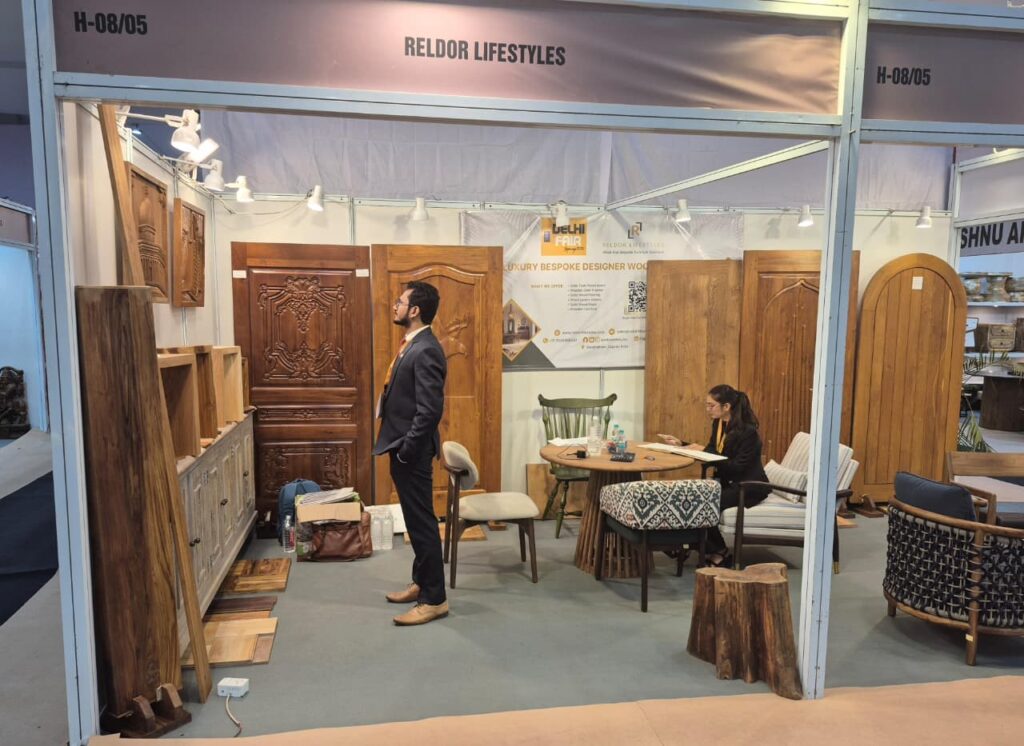
Trade exhibitions offer one of the most accurate real-time snapshots of industry demand and buyer psychology. Over five days at Indian Handicrafts Gifts and Fair (IHGF Delhi Fair, 61st edition), professionals from construction, architecture, hospitality, and real estate explored materials, compared suppliers, and evaluated craftsmanship standards.
Their behavior revealed a clear message: sourcing decisions today are driven less by product catalogs and more by capability, customization, and credibility. Developers, designers, and project planners are no longer searching for products alone — they are selecting long-term collaborators who can execute ideas with precision.
The Shift Toward Solution-Based Sourcing
Modern buyers rarely begin conversations by asking what products are available. Instead, they ask about adaptability, scalability, and technical specifications. This indicates a major shift in procurement thinking.
Decision-makers increasingly prefer suppliers capable of delivering tailored solutions that align with architectural intent. Custom wooden doors, floorings, panels, and bespoke furniture generate stronger interest because they solve practical project challenges rather than simply filling design space.
Why Customisation Became a Primary Decision Factor
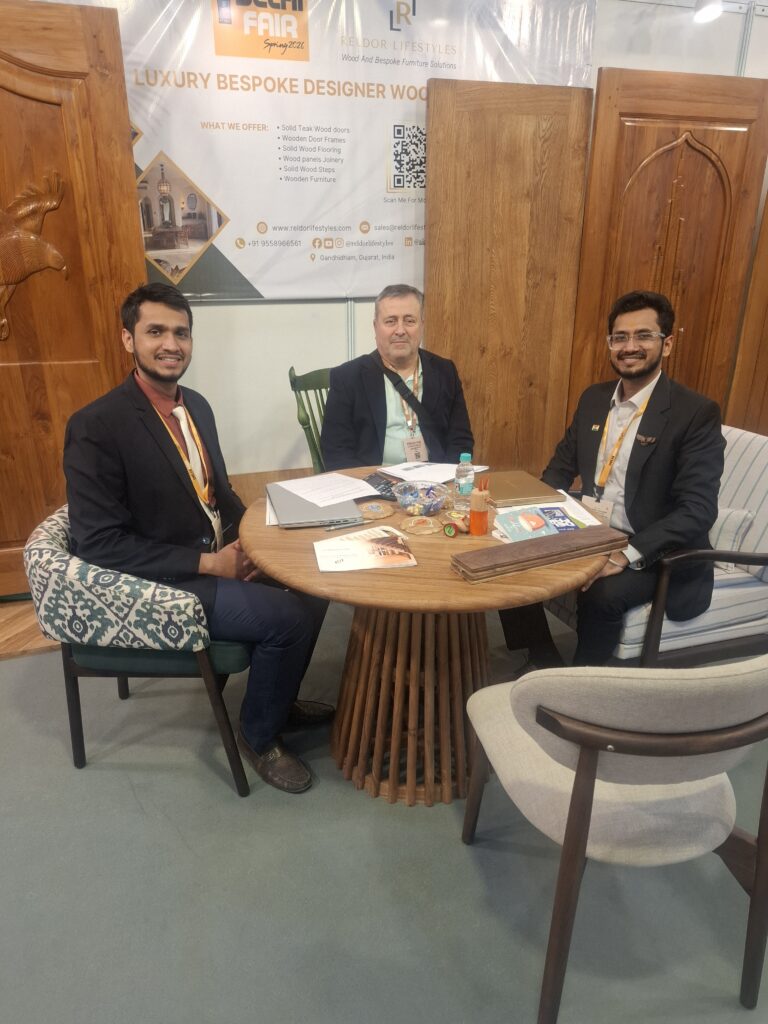
Across developers, designers, and hospitality planners, customization ranked among the most discussed topics. Standard sizes and finishes often fail to match project layouts or design visions. Custom solutions allow precise alignment with spatial measurements, aesthetic themes, and structural needs.
For villas, boutique developments, and holiday homes, tailored wood elements also create visual distinction. Unique interiors enhance property identity and elevate perceived value, making customization a strategic design investment.
How Professional Buyers Evaluate Craftsmanship
Unlike retail buyers, industry professionals assess products through a technical lens. Observations showed visitors carefully inspecting pieces before initiating discussions. Evaluation commonly included:
- joinery strength
- surface finishing
- grain alignment
- structural balance
- detailing precision
These inspection patterns demonstrate that quality is judged visually and physically before any commercial discussion begins. Craftsmanship acts as proof of expertise, not decoration.
What Builders & Developers Prioritize
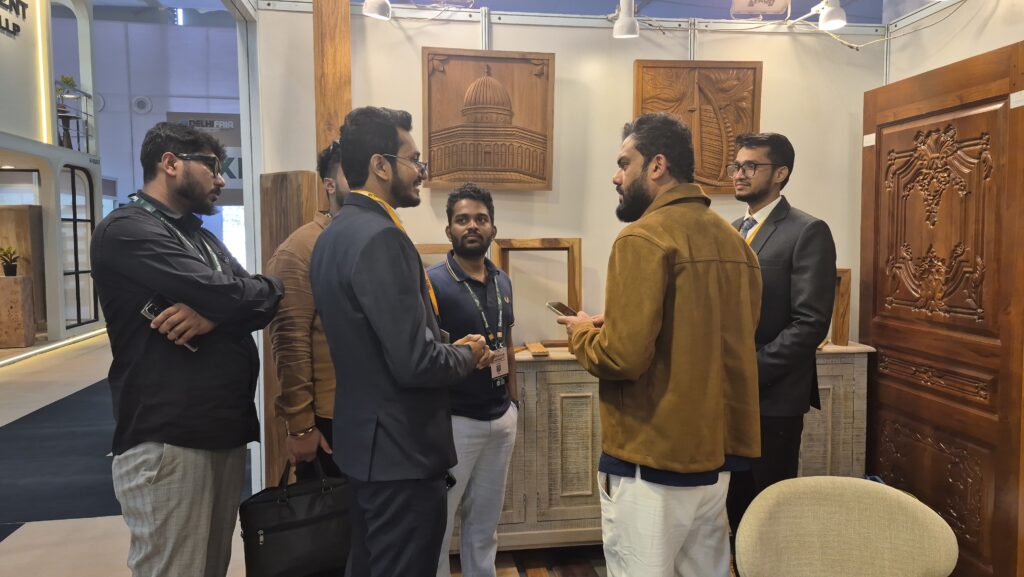
Construction professionals approach sourcing with performance-focused criteria. Their attention typically centers on:
- durability across climates
- installation efficiency
- structural stability
- production capacity
- consistency across bulk orders
Developers also showed preference for suppliers capable of offering integrated solutions — coordinated doors, panels, flooring, and furniture collections that maintain design continuity throughout projects.
This approach simplifies procurement while ensuring visual harmony.
What Designers Look For
Designers evaluate materials through a creative perspective. Their priorities focus on expression, flexibility, and uniqueness. During the exhibition, designers frequently assessed:
- design adaptability
- finish options
- texture depth
- visual balance
- compatibility with architectural concepts
Handcrafted elements consistently attracted attention because they offer character and subtle variation. These details help designers create distinctive spaces rather than standardized interiors.
Hospitality Industry Expectations
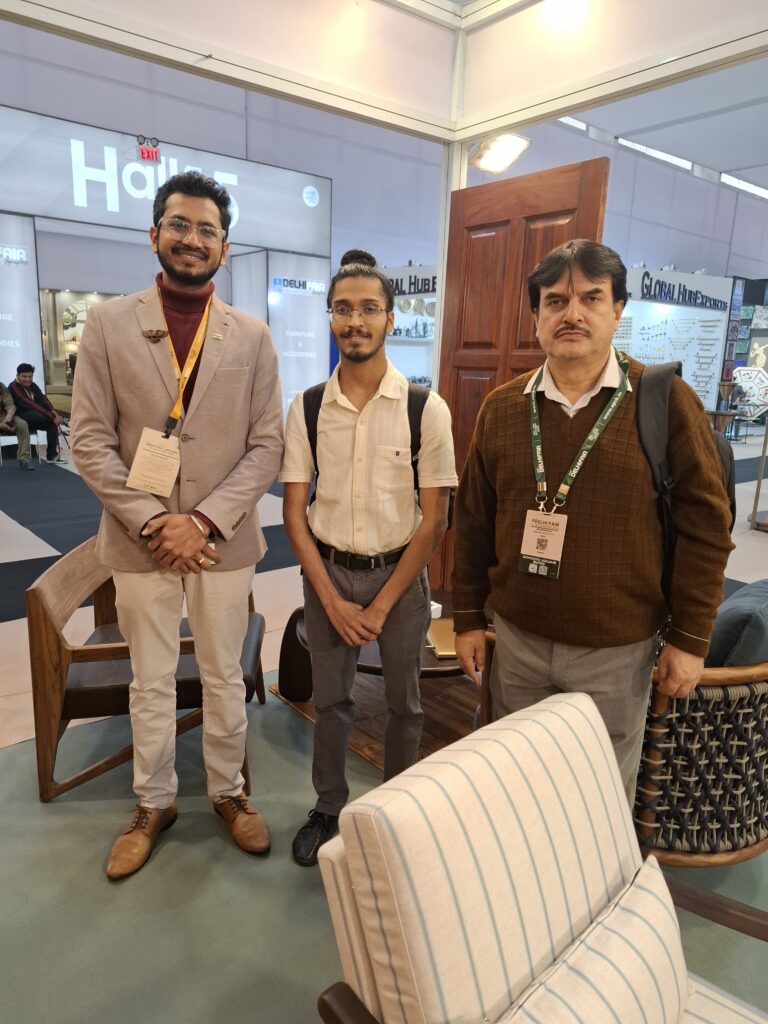
Hoteliers and resort planners demonstrated a blend of practical and aesthetic requirements. Materials used in hospitality spaces must perform reliably while contributing to memorable guest experiences.
Common evaluation factors included:
- finish longevity
- resistance to wear
- ease of maintenance
- tactile appeal
- visual warmth
Wood remains highly preferred in hospitality environments because it delivers both durability and emotional comfort — a combination essential for premium guest spaces.
Experience as a Trust Signal
Suppliers with established industry presence attracted deeper engagement. A professional track record of Reldor Lifestyles spanning 6+ years and collaborations across 10+ countries indicates reliability, adaptability, and operational maturity.
Experienced suppliers demonstrate familiarity with export standards, project timelines, packaging requirements, and global quality expectations. This expertise reassures buyers responsible for large-scale or international projects.
Why Physical Exhibitions Still Influence Decisions
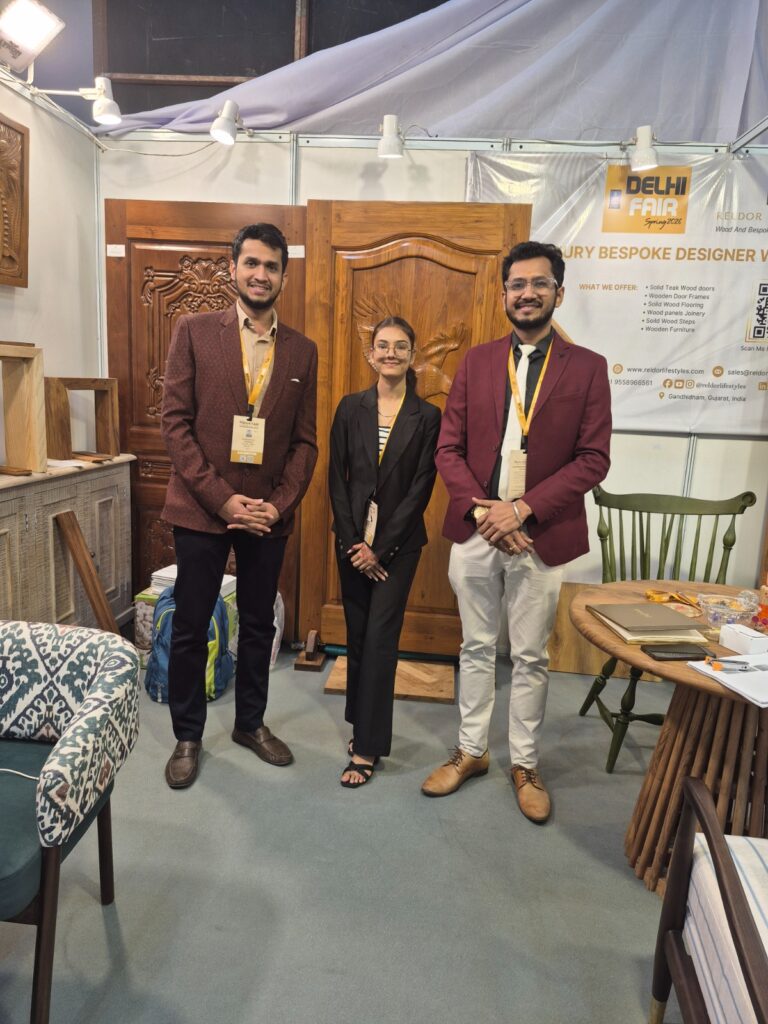
Digital sourcing tools support research, but in-person exhibitions accelerate trust. Physical interaction allows buyers to examine materials directly, assess finishing quality, and evaluate construction precision.
Face-to-face conversations also enable detailed technical discussions, helping professionals determine compatibility quickly. This direct engagement often determines whether a supplier progresses from consideration stage to shortlist.
The Core Insight Across All Buyers
Despite differences in priorities, one principle unified developers, designers, and hoteliers: reliability matters most.
Reliability in materials
Reliability in execution
Reliability in delivery
Products may attract attention, but consistent craftsmanship builds confidence. Confidence ultimately drives procurement decisions.
Conclusion
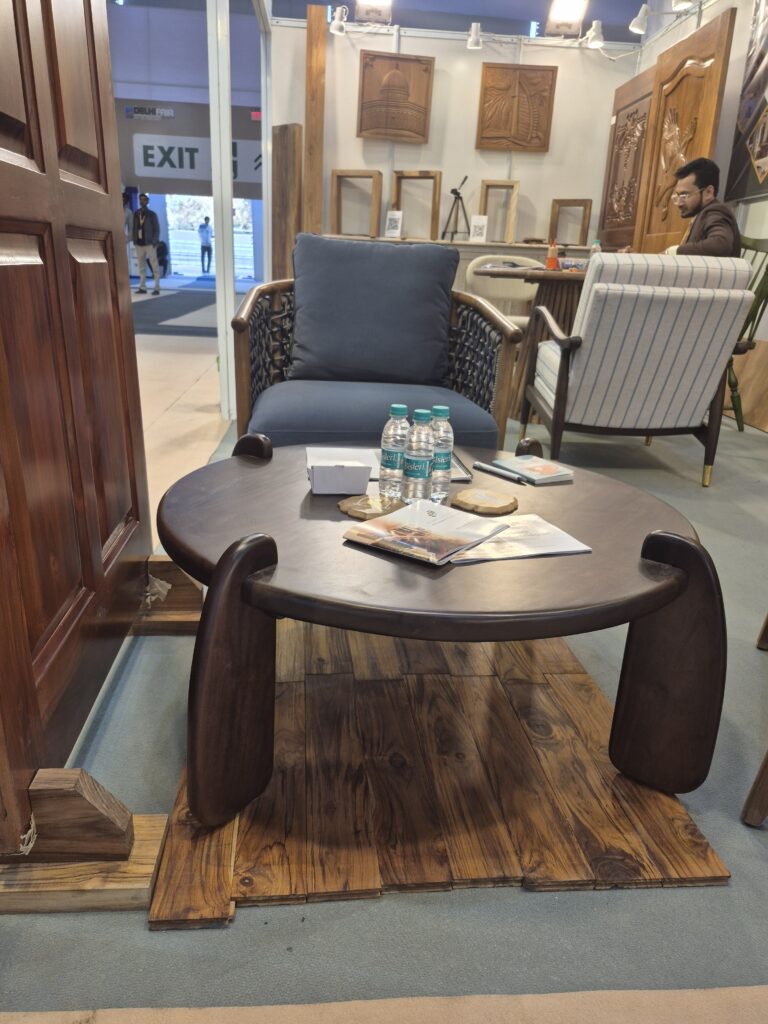
Observations from five days of industry interaction highlighted a clear shift in how professional buyers approach sourcing. Decision-makers today prioritize customization, precision, and proven expertise over mass-produced options. They seek partners capable of transforming design concepts into durable, functional realities.
In modern construction and design environments, success depends not on product variety but on craftsmanship quality, technical understanding, and execution capability. Concept initiates interest. Craftsmanship secures commitment.
FAQ Section
Q1: What do developers consider when choosing wood suppliers?
Developers evaluate durability, structural reliability, production capacity, and consistency across orders.
Q2: Why is customization important in architectural projects?
Customization ensures materials fit precise dimensions, align with design concepts, and meet structural requirements.
Q3: How do designers assess craftsmanship quality?
Designers examine detailing, finishing precision, grain consistency, and construction balance.
Q4: Why is experience important when selecting suppliers?
Industry experience indicates reliability, export capability, and understanding of project execution standards.
Q5: Which sectors demand bespoke wooden solutions most?
Luxury residential projects, hospitality spaces, villas, and boutique developments show the highest demand.